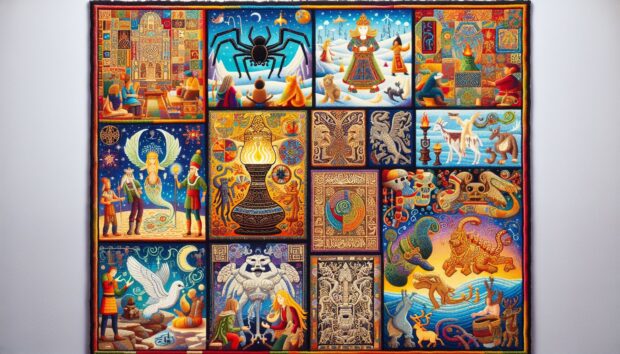
Folklore constitutes the cultural heartbeat of many societies, a colorful tapestry woven with threads of storytelling, myths, and legends that have been passed down through generations. It reflects the values, fears, and dreams of communities, portraying them through a variety of characters and narratives. This blog post delves into the fascinating world of folklore, uncovering the rich assortment of topics that folklore encompasses.
Introduction to Folklore
At its core, folklore is the traditional art, literature, knowledge, and practices that are disseminated largely through oral communication and behavioral example. It can include tales, music, dances, rituals, and beliefs, all of which are integral in defining a community’s cultural identity. Exploring the topics within folklore is like journeying through a living museum of human experience – each piece offering a glimpse into a world steeped in tradition and imagination.
Body of Folklore Topics
Mythology and Creation Tales: Many cultures have their unique stories about the creation of the world and the gods that shaped them. From the Dreamtime stories of the Australian Aboriginal peoples to the intricate tales from Greek mythology, these narratives lay the groundwork for societal beliefs and structures.
Legendary Heroes and Villains: Heroes like King Arthur, Robin Hood, and Beowulf are fixtures in the folklore of many countries, embodying the virtues and vices that society celebrates or admonishes. Villains, such as Baba Yaga from Slavic folklore, serve as cautionary tales that reinforce cultural morals and etiquette.
Folk Tales and Fables: Tales such as “Cinderella” and “The Tortoise and the Hare” are universal in their reach but local in their flavor. These simple stories often contain deeper moral lessons about life and human nature intended to guide the younger generation.
Supernatural Creatures: Vampires, werewolves, and spirits have haunted humanity’s nightmares for centuries. Each culture has a host of supernatural beings that shape its folklore landscape, creating an understanding of the unknown and the mystical.
Rituals and Ceremonies: Folk traditions include ritualistic dance, music, and ceremonies, which often mark important lifecycle events such as birth, coming of age, marriage, and death, or seasonal changes like harvests and solstices.
Summary
Folklore is not just an antiquated collection of stories; it’s a vibrant, living dialogue between the past and the present that continues to influence and inspire. Whether it’s the heroics of legendary figures, the cautionary tales of ghastly creatures, or the communal bonds formed through shared rituals, folklore is a universal language that transcends borders and time. By exploring the myriad of topics it covers, we not only entertain ourselves with stories but also preserve the wisdom and imagination of our ancestors for future generations to cherish.