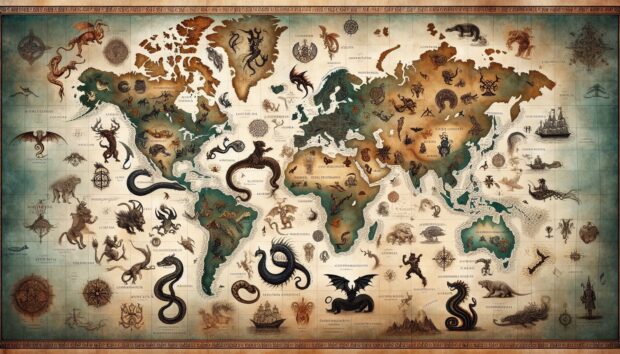
Journey into Legends: A Plunge into World Folklore

Folklore, a body of culture shared by a particular group of people; the stories, traditions, customs, and beliefs passed down from one generation to the next, reveal a deep and fascinating insight into their worldview. It represents not only the tales we tell but also the way we understand the world. Let’s embark on a journey to explore various folklore topics across diverse cultures and societies.

Gods and Demons: The Nordic Narrative

The vast pantheon of Norse mythology is a treasure trove of mythology and folklore. The timeless tales of gods, giants, dwarves, and monsters are rich in symbolism and moral values. The Norse gods, including Odin, Thor, and Loki, aren’t just exciting characters but also embodiments of power, wisdom, and mischief. These tales, told through the Poetic and Prose Edda, carry significant insights into the mindset of the ancient Norse population.

Mother Nature’s Tales: Native American Folklore

Native American folklore is deeply rooted in nature. Their stories often revolve around animals, nature spirits, and respect for the land. The folklore themes range from creation myths to moral lessons and everything in between. Beautiful tales like The Legend of the Indian Paintbrush and the story of Sedna reveal a culture that found wisdom, guidance, and spirituality in the natural world around them.

The Weaving of Words: Irish Folklore

Irish folklore encompasses a world of enchantment and heroism, of banshees and leprechaun. The ancient Irish were renowned for their eloquent storytelling, preserved in works like the Book of Invasions and tales of the legendary hero, Cuchulainn. Irish folklore is also unique for its superstitions and fairy tales, highlighting the belief in the supernatural and magical elements.

A Dance with Shadows: Japanese Ghost Stories

Japanese folklore is as unique and varied as the country itself. A significant part is the ghost stories or ‘Yūrei Monogatari.’ These ghost stories stem from Buddhism’s beliefs in karma and reincarnation. It features spirits caught between two worlds due to unresolved emotions or crimes carried out during their lifetime. A classic example would be the iconic tale of ‘Yotsuya Kaidan’.

Conclusion: The Essence of Folklore

Folklore’s essence lies not just in the stories told, but also in the messages they communicate, beliefs they consolidate, and the unique worldview they provide. By exploring various folklore topics, we can open a window to understand different cultures’ core deeply and appreciate the common ground of our shared humanity. The thread of folklore that weaves through every culture’s fabric tells us a lot about our history and the intrinsic values we share globally.

Folkloric Fascination; A Journey Through Lore and Myth

Unveiling the fascinating, mystical, and mysterious world of folklore is like embarking on a timeless journey. Our ancestors were mighty story weavers, and their tales, known as folklore, have ripened with age, echoing through generations.

The captivating realm of folklore varies significantly worldwide, boasting vivid narratives that express regional beliefs, practices, and customs. Let’s delve deeper into several distinct folklore topics.

Celebrating The Cultural Tapestry of Folklore

Folklore envelops varied forms of expressive culture such as tales, music, dances, rituals, practices, and oral histories that were passed down from one generation to the next. This wealth of cultural heritage serves as a time capsule offering a glimpse into societies’ values, traditions, fears, and hopes.

Mythical Beasts and Their Symbolism

Perhaps some of the most captivating elements of folklore are mythical creatures. From Greek Minotaurs and Chinese Dragons to American folklore’s Sasquatch, these creatures often represent essential regional beliefs and philosophical concepts. For instance, in Chinese culture, dragons symbolize power, strength, and good luck, reflecting the society’s values and aspirations.

Folk Heroes and Their Influence

Many folklore narratives revolve around the exploits of heroic figures that embody their cultures’ values and aspirations. Robin Hood, a hero from English folklore known for “robbing from the rich and giving to the poor,” reflects a society that yearned for justice and equity. Through their heroic acts, folk heroes become emblems of resistance, hope, and change, significantly influencing their cultures.

Magic, Sorcery, and the Supernatural

The use of magic and the supernatural is a common thread in folklore globally. In ‘Cinderella,’ a folk tale with various versions worldwide, magic plays a pivotal role in the narrative, driving the plot towards its ‘happily ever after’ conclusion. Such elements often serve to reflect societal views on fate, destiny, and the struggle between good and evil.

Indigenous Folklore and its Persistence

Preserving and propagating indigenous folklore helps keep ancient traditions alive. These tales, whether Inuit stories of Sedna, the goddess of the sea, or Aboriginal Dreamtime stories from Australia, form the cultural backbone of these societies, shaping their worldview and providing a sense of identity.

Wrapping It Up: The Eternal Echo of Folklore

Folklore serves as a captivating mirror to societies worldwide, reflecting their ethics, ideals, dreams, and fears. Through folk heroes, mythical creatures, narratives of magic, sorcery, and a wealth of indigenous tales, we can appreciate and understand the depth and diversity of cultures.

Even as modernity continues to march on, the enchanting whisper of folklore remains, binding us to our past, informing our present, and potentially guiding our future. So, let’s celebrate the rich and diverse tapestry of folklore, an indelible reflection of who we are and what we value.

Dancing with Shadows: A Global Exploration of Folklore

Folklore is a thriving cultural treasure, laden with fascinating stories, myths, customs, and rituals influenced by a particular locale or community. This post delves into the enigmatic world of folklore, from the mythical creatures of European folklore to the spiritual rites of African traditional religions, to the captivating legends of Native American tribes.

The Alluring Enigma of European Folklore

European folklore boasts a spellbinding array of mythical creatures, each with its unique attributes, abilities, and allure. The folklore of Eastern Europe, for instance, brims with tales of Baba Yaga, a fearsome witch who flies around in a mortar, using a pestle as her oar. She straddles the boundary between wisdom and threat, often portrayed as a challenging figure who tests the protagonist’s mettle.

In contrast, Irish folklore affectionately speaks of leprechauns, the small, impish beings clad in green, and reputed for their shoemaking skills. Folklore avenues like these enhance our understanding of various cultures and shed light on historical societal characteristics.

The Spiritual Mystique of African Folklore

African folklore, steeped in tribal history and drenched in spiritual mystique, revolves largely around oral traditions, rituals, superstitions, and the unseen spiritual world.

Take, for instance, the Loa, venerated spirits in the Voodoo belief system of West African origin, notably found in Haiti, that act as intermediaries between the Supreme Being and humanity. Another awe-inspiring legend prevalent in several African tribes is that of the Anansi, the trickster god appearing as a spider, renowned for his clever and crafty ways.

The Nature-Centric Legends of Native American Folklore

Native American folklore is richly woven into the tapestry of American history. Often overlooked, it envelopes a plethora of tales, parables, and legends, inherently tied to nature and the spirit world.

One such fascinating lore revolves around the Thunderbird, a powerful and majestic creature said to control the element of thunder. Many of these stories also employ anthropomorphic animals, like the sneaky Coyote or the wise Raven, which often carry profound metaphysical or moral messages.

In conclusion, folklore is a remarkable vessel that carries the weight and wonder of our human past, integrating us into a global story that transcends time and space. As we dive into the coiling maze of these tales and traditions, we interact with the kaleidoscopic expressions of human creativity and imagination shaped by cultural nuance and historical context. After all, as the renowned social anthropologist Claude Levi-Strauss opined, the purpose of mythology is to provide a logical model capable of overcoming contradictions. Folklore, in its manifold avatars, does exactly that.

Exploring the Roots of Humanity: A Journey Through Folklore from Around the World

Folklore is the ancient collective consciousness of a people – serving as a mirror of their traditions, customs, beliefs, and aspirations. This powerful tool is essential to understanding societies across the globe and through the ages. In this blog post, we journey across continents, exploring a variety of folklore topics that shape humanity.

Europe: Ireland’s Leprechauns

First, we travel to Ireland, a land of verdant greens and profound ancient stories. Leprechauns, denizens of Irish folklore, have fascinated people for centuries. These solitary, diminutive beings with their hoarded pots of gold at the rainbow’s end embody the Irish love for tales of mischief and treasure.

Asia: Japan’s Kitsune

Moving to Japan, we encounter the enigmatic Kitsune or fox spirits. These shape-shifting creatures, celebrated in Japanese folklore, often possess intelligence and magical abilities. They are seen as messengers of Inari, the Shinto deity of rice, agriculture, and prosperity. They symbolize the complexity of nature and the duality of prosperity and deceit in human life.

Africa: Ghana’s Anansi

In Africa, particularly in Ghana, Anansi the spider holds a prominent place in folklore. Anansi’s clever, often trickster-like stories are meant to impart moral lessons. The spiders’ web signifies the intricate weave of life, with Anansi at the center manipulating outcomes, just as humans often manipulate situations for their benefit.

Americas: Native American Coyote stories

The Coyote, a central figure in Native American mythology, serves a similar role to Anansi in Ghanaian folklore. In these stories, the Coyote often embodies both foolishness and wisdom – falling into traps due to impulsive actions yet also using its cunning to evade danger. These stories serve to teach essential life lessons about the balance between recklessness and prudence.

Oceania: Australia’s Dreamtime

The indigenous people of Australia celebrate their folklore through the concept of Dreamtime. This refers to the time of creation when spirits formed the Earth. These ancient tales, passed down through generations, help to understand the deep connection between the indigenous people and the land they inhabit.

Conclusion

Folklore, with its fascinating characters and meaningful narratives, continues to be a vital part of human culture. It carries within it the values and teachings of ancient civilizations, offering us a window into our ancestors’ minds. As we journey through the folklore of different cultures, we realize that despite the variation in characters and settings, the underlying themes of morality, the complexity of life, and the need for balance are universal. This universality, in essence, is a testament to the shared experiences and wisdom of humanity across all boundaries and epochs.

Living Legends: An Exploration into Varying Folklore

Welcome to an enchanting journey through the charming, harrowing, and captivating world of folklore. Whether it’s about breathtaking Kodama spirits from Japanese mythology or spine-chilling wendigos from Native American lore, every culture has a rich reserve of magical entities, origin tales, and mythical occurrences that continue to shape their identities.

Scandinavian Folklore: The Allure of Trolls and Valkyries

Scandinavian folklore infuses the mystical and the mundane. Trolls are a common feature and are often depicted as colossal, rugged, and – if provoked – not entirely friendly. However, they are also revered for their wise ages and their profound connection to the natural world.

Contrastingly, Valkyries grant bravery and heroism to valiant warriors. These battle maidens, with their fierce personas and noble duties, imbue Scandinavian tales with a sense of bravery, honor, and passionate pursuit of righteousness.

West African Folklore: The Wisdom of Anansi

Moving south to West Africa, the spider-god Anansi from Ashanti folklore often takes center stage. Anansi is famous for his cunning intelligence, celebrated for using his wisdom to outsmart his adversaries, dominate powerful creatures, and even cheat death. His tales teach listeners the art of creativity and the importance of cleverness over brute strength.

Irish Folklore: Mysteries of the Sidhe and Leprechauns

Ireland’s folktales are intricately woven with tales of the sidhe, often referred to as fairies, and mischievous leprechauns. The sidhe, living in their invisible world parallel to ours, are known for their spells, enchantments, and their ever-elusive pots of gold.

On a lighter note, the leprechauns – shoemakers, pranksters, and hoarders of treasure – add a touch of whimsy and appeal to the otherwise powerful narrative of Irish folklore, reminding us of the magic in laughter and joy.

Conclusion: A Tapestry of Tales

Each folklore, unique to its origin, wonderfully illustrates the intricacies of human nature, societal values, and cultural heritages. They impart lessons, incite curiosity, foster a deep sense of community, and strengthen our ties to our roots.

Despite stark differences, an undercurrent of commonality binds them all: their monumental role in shaping cultures and their contribution to global heritage. Whether you encounter a wise spider in West Africa, or cross paths with a powerful valkyrie in Scandinavia, it is undeniable: the world of folklore is alive, evolving, and intimately rooted in our shared human condition.

“What’s your favorite folklore?” Happy exploring!

Enchanting Webs of Folklore: A Journey into the Narrative Heritage of the World

Folklore, the traditional beliefs, customs, and stories of a community passed through generations carry an ineffable charm of antiquity and the alluring dynamism of evolving civilizations. Let us embark upon an intriguing exploration into the rich tapestry of global folklore across various cultural landscapes.

Fairy Tales from the Brothers Grimm

Birthed in the culturally diverse landscape of Germany, the fairy tales from the Brothers Grimm are a mesmerizing journey into the wild woods of human imagination. Ranging from the eternal allure of ‘Cinderella’ to the dark morals of ‘Hansel and Gretel’, these stories skilfully weave lessons on virtue, bravery, and wisdom cloaked under the guise of magical enchantments and bewitching characters.

The Epic Narrative of Ramayana

The Ramayana, an Indian epic, lords over the cultural psyche of not just India, but the entire Southeast Asian region. This grand narrative, revolving around the prince Rama’s adversarial odyssey to rescue his wife Sita from the demon king Ravana, exemplifies the triumph of good over evil. Its influence has been so profound that it permeated into art, literature, dance, and performance traditions across the region, shaping the cultural ethos on its way.

Native American Mythologies

Native American mythologies offer a profound understanding of the intrinsic bond between humans and nature. The storytelling traditions of different tribes portray fascinating tales of heroism, spirituality, morality and respect for all living beings. One such recurring archetype is that of the ‘Trickster’, often represented as a coyote or raven, who overcomes adversity through wit and creative problem-solving.

Japanese Yokai Folklore

Japan’s ‘Yokai’ folklore unfurls a distinctive realm of supernatural beings, spirits, and demons. The universe of Yokai, varying from the mischievous kappa to the terrifying yuki-onna, presents an intriguing balance of dark fears, comic relief, and profound moral lessons.

Thus, folklore, a mirror into humanity’s collective wisdom, exhibits a fusion of myths, sagas, legends, and folk tales. They unravel the hidden layers of human fears, longings, morals and societal norms, immortalizing them into the corpus of cultural expressions. Moreover, the exploration of diverse folk traditions enlightens us about the intriguing contrasts and striking similarities among different cultures at a human level, enriching our world-view.

In conclusion, the enchanting webs of folklore continue to tie us to our roots while stretching into the horizons of evolving cultural narratives. They embody the boundless creative potential, cultural diversity, and inherent shared humanity of our world. By diving into the depth of folklore, we uncover the invaluable legacy of our narrative heritage and realize that the human essence of storytelling remains the same – to attempt making sense of our existence.

Glimpses into the Fascinating Realm of Global Folklore: A Broad Overview

In this diverse world, every culture possesses its unique share of legends and myths that have captivated minds over countless generations. Let’s take a brief journey through the realms of global folklore, exploring the enchanting tales enriched with moral values, history, life lessons, and much more.

Scandinavian Folklore: Where Magic Fuses with Reality

Scandinavia offers an amazing array of folklore brimming with mystical creatures and magical spells. From tiny trolls living under rocks to giant sea serpents, Scandinavian mythology can still send a chill down anyone’s spine. The eldritch lore behind the ‘Wild Hunt,’ a supernatural procession led by the Norse god Odin, is one such example of Nordic folklore’s captivating narratives.

The Terrifying and Mesmerizing Lore of Japanese Folklore

Japan’s folklore carries a dark blend of ghosts, demons, and bizarre creatures known as ‘Yokai.’ One of the most intriguing is the Shapeshifting Kitsune. The nine-tailed fox is known to transform into beautiful women to beguile unwary men. With its combination of beauty, deceit, magic, and morality, these tales are a fascinating glimpse into the Japanese mindset.

West African Folklore: A Blend of Wisdom and Humor

West African folklore encapsulates an emotional spectrum. At one side, the stories are full of humor shared through characters like Anansi the trickster spider. On the other side are tales imbued with precious life lessons, often revolving around themes of responsibility and respect for the community.

Sri Lankan Folklore: The Tapestry of Cultural Diversity

Sri Lanka’s rich cultural heritage reflects in its folklore, encompassing the beliefs and traditions of the island’s different ethnic groups. Tales of King Ravana, the legendary king of the island, originating from the Hindu epic Ramayana, demonstrates the intricate blend of Hindu and Buddhist influences in Sri Lankan folk narratives.

In conclusion, each piece of folklore is a priceless cultural gem, encapsulating the collective wisdom and beliefs of a society. These folk tales not only entertain but also educate, offering ethical lessons wrapped in magic, moral dilemmas dressed as demons, and a sense of social responsibility carried by mythical creatures. Our journey into the realm of global folklore reveals how diverse and fascinating the stories we tell truly are.

Roaming Through the Realm of Folklore: A Journey Into the Heart of Our Collective Stories

Over the ages, diverse cultures have given rise to numerous narratives. These traditional stories, known as folklore, hold the power to captivate, entertain, and enlighten like none other. Through this article, we will briefly meander through this fascinating realm, exploring various folklore topics that continue to enrich our cultural tapestry even today.

Folklore: The Tapestry of Traditional Tales

Folklore, in the broadest sense, refers to the full range of traditional customs, tales, sayings, dances, or other forms of communal expression that are specific to a particular culture. It is the oral tradition of storytelling that has been passed down generations, reflecting the values, history, beliefs, and norms of different societies. Unraveling these tales can afford a rich insight into the fabric of cultures, both familiar and foreign alike.

Ghost Stories: A Haunted Legacy

One deeply fascinating aspect of folklore that transcends cultural boundaries is the presence of ghost stories. From the Japanese ‘Yūrei’, to the Victorian phantom tales in Britain, ghost stories serve to thrill, chill and convey deeper moral lessons. They not only captivate our imagination, but also serve as a vivid reflection of our deepest fears and anxieties, often revealing more about the living than the dead.

Legends and Myths: Crafting Cultures Through Stories

Legendary heroes and mythical creatures play an equally significant role in folklore. These narratives tend to have a strong moral or cautionary element. For example, the Greek myths echo essential life lessons, while legendary figures like King Arthur encapsulate ideals of bravery, chivalry and honor. These stories serve to bind communities together, reinforcing shared values and beliefs through captivating narratives.

Folklore in the Modern World: Enduring Relevance

In the contemporary world, the value and influence of folklore are far from diminished. Through genres like fantasy and magical realism, traditional tales have found a new lease of life, enchanting young readers and adults alike. They serve to remind us of our collective history and shared human experience, while also providing a rich pool of inspiration for modern creativity.

Wrapping up, it is clear that folklore is not merely a means of entertainment. It forms an integral part of our cultural legacy, guiding us, grounding us, and connecting us in a profound way. Through familiar spirits, legendary heroes, and fantastical creatures, it offers a window into our shared values and collective consciousness, continuing to shape our worldview even today. And as we continue to weave our modern narratives, we make sure that the vibrant realm of folklore remains alive, resonant, and relevant for generations to come.

A Tapestry of Tales: Exploring the Rich Traditions of Folklore Around the World

Welcome to a journey into the fantastical world of folklore. Folklore is the adhesive that binds communities, reflecting our shared human experiences across diverse cultures. These hauntingly beautiful tales, myths, legends, and fairy tales play a significant role in shaping the ethos of their respective cultures. Today, we’re going to delve into the richness of various folklore traditions and the tales they proffer.

Slavic Folklore: Enchanted Morality Tales

Slavic folklore is rich with tales that embody morality, wisdom, and bravery. As an amalgamation of Slavic pagan beliefs and Christian influences, these narratives are vivid and full of meaning. Tales like that of Baba Yaga, the Slavic witch often embody edifying tales of courage and the triumph of good over evil.

Celtic Folklore: Melding Magic and Myth

Celtic folklore hails from the mighty tribes of Iron Age Europe. The tales are ensnared with the enchanting beauty of nature, magical beings, and tumultuous love stories. The infamous legend of King Arthur and his sorcerer advisor, Merlin, persistently linger and shape the Celtic narrative to date.

Japanese Folklore: Expressing Harmony and Balance

Japanese folklore, in many ways, mirrors Japanese philosophy of harmony and balance. These tales blend the concepts of beauty, grace, and the supernatural elegantly. Notable figures like the trickster fox Kitsune, or the snow spirit Yuki-Onna, serve as symbolic representations of the harmonious connection between humans and nature.

Native American Folklore: Spirituality Entwined with Nature

Native American folklore is rich with spirit-filled tales that echo the culture’s profound connection with land and nature. These stories often outline moral lessons and understanding of the universe, teaching respect for life and the environment. Characters like the mystical Raven or the trickster Coyote continues to intrigue readers with their adventures.

African Folklore: Moral Tales and Heroic Myths

African folklore is a tapestry of heroic myths, animal fables, and spirit tales. They translate the moral, ethical, and cultural values of tribal societies. The memorable tales of Anansi, the clever spider of Akan folklore, serve as an intriguing example of wisdom and trickery woven into one.

In Summary

Folklore is a mirror that reflects the traditions, beliefs, and morals of its people, infusing mundane life with a touch of the extraordinary. It fosters a sense of cultural identity that has endured over ages. These stories symbolize our hopes and fears, our struggles and triumphs, and our deep-seated relationship with the environment. As we embrace the digital age, it becomes increasingly important to cherish and share these timeless tapestries imbued with wisdom and lessons about the human experience.

Unraveling the Intricate Web of Folklore: A Journey into Enigmatic Traditional Narratives

Folklore, often perceived as obsolete tales of yesteryears, still holds a potent force that shapes our understanding of cultures and histories across the globe. It serves as the unseen thread binding communities, providing insight into the collective psyche, moral codes, and societal norms and ideologies that permeate the locales. Let’s dive into the vibrant tapestry of diverse folklore from around the world.

The Enigmatic Pull of Folklore

The traditional narratives of folklore, be it in the form of tales, songs, proverbs, or superstitions, have trickled down generations, presenting an untainted account of regional identities and values. Such is the power of folklore that a single narrative or symbol can open up a window into the deepest ethos of a culture, making it a priceless resource for scholars and enthusiasts alike.

### Tracing the Roots: Remarkable Folklore from Across the Globe

Let’s embark on a vicarious journey, exploring some of the most intriguing folklore and folk tales from around the world.

Native American Folklore

Steeped in spiritual belief and an intricate understanding of nature, Native American folklore often features anthropomorphic animals and lessons of heroism, morality, and the supernatural. The tale of the “Trickster Coyote” exemplifies this, weaving a narrative about a cunning coyote whose adventures serve as moral lessons.

Irish Folklore

The lush folklore of Ireland, populated with fairies, leprechauns, and banshees, reflects the Celts’ pre-Christian beliefs. The story of the “Children of Lir,” a tale of enchantment and endurance, symbolizes the Irish spirit of resilience and courage.

Japanese Folklore

Japanese folklore is a rich blend of Shinto, Buddhism, and local traditions, known for their Kappa and Tengu creatures and tales of mythical deeds. They encompass ghost stories and folklore characters like “Momotaro” or “The Peach Boy”, reflecting the values of bravery, respect, and loyalty.

Fascinating Pathways of Humanity

These examples, while mere tiny parts of the intricate web of folklore, underscore its depth and richness. Folklore is more than just quaint old stories; it is the embodiment of community wisdom, echoing the voices of ancestry, nature, and traditions.

In conclusion, unravelling the intricacies of folklore allows us to understand the cultural contexts and shared histories that they originate from. A deep dive into these traditional narratives gives us the chance to celebrate our shared humanity and cherish the diverse strands of our global cultural tapestry. Next time when you hear a folklore tale, see it as a treasure trove of collective wisdom and carry its essence forward making folklore a living, evolving entity of knowledge.