„Kalevipoeg” on Eesti rahvuseepos, mille koostas 19. sajandil peamiselt Friedrich Reinhold Kreutzwald eesti rahvaluule põhjal. Teost peetakse üheks eesti kirjanduse olulisemaks teoseks ja sellel oli suur roll eestlaste rahvusliku eneseteadvuse kujunemisel.
Idee: anname rahvale eepose
19. sajandi alguse rahvusliku liikumise ajal leidsid rahvavalgustajad, et eestlaste eneseteadvust aitaks tugevdada teiste rahvastega võrdväärne kangelaseepos. Õpetatud Eesti Seltsi liige Georg Julius von Schultz-Bertram ütles 1839. aastal seltsis peetud kõnes: „Anname rahvale eepose ja ajaloo ja kõik on võidetud!”
Faehlmannist Kreutzwaldini
Samal 1839. aastal pidas Friedrich Robert Faehlmann Õpetatud Eesti Seltsis ettekande Kalevipoja muistenditest. Eepose peamiseks aineks pidid saama rahvasuust pärinevad hiiumuistendid. Faehlmanni töö jäi pooleli ja selle jätkas Kreutzwald.
Ilmumine
Esimene versioon ehk „Alg-Kalevipoeg” valmis 1853. aastal ja koosnes 12 loost, kuid jäi Venemaa Keisririigi tsensuuri tõttu ilmumata. Lõplik versioon ilmus 1862. aastal ja koosneb 19 023 värsist, mis jagunevad kaheks sissejuhatavaks osaks ja 20 looks. Eepose täistekst on tõlgitud 14 keelde.
Pärand
Eepose ainestik pärineb eesti rahvaluulest, mistõttu on „Kalevipoeg” hea sissejuhatus ka rahvapärimusse. Eepose motiive on hiljem kasutanud paljud kunstnikud, heliloojad ja kirjanikud.
Regilaul ehk regivärsiline rahvalaul ehk vanem rahvalaul on eesti rahvalaulu vanem vorm. Selle juured ulatuvad läänemeresoome rahvaste ühisaega ja vanuseks hinnatakse tuhat kuni kaks tuhat aastat.
Regilaulu tunnused
Regilaulu tekst jaguneb tavaliselt kaheksasilbilisteks värsiridadeks. Iseloomulikud on algriim ehk alliteratsioon, kus sõnad algavad samade häälikutega, ja parallelism ehk mõttekordus, kus sama mõtet öeldakse järgmises reas teiste sõnadega. Esituses laulab eeslaulja värsi ja koor kordab seda, nii et laul liigub katkematu ahelana.
Ajalugu
Eestis oli regilaul üldlevinud umbes 19. sajandi keskpaigani. Siis tõusid esile uuemad lõppriimilised ja keerukama meloodiaga laulud. Sõna „regi” pärineb arvatavasti keskalamsaksa keelest. Murretes nimetatakse regilaulu ka leeluks. Jakob Hurda koostatud „Vana Kandle” esimene köide ilmus 1886 ja sisaldab Põlva kihelkonnast kogutud regilaule.
Kust regilaule leida?
Eesti Kirjandusmuuseumi Eesti Rahvaluule Arhiivi „Eesti regilaulude andmebaas” sisaldab 108 969 teksti, mis on umbes kaks kolmandikku kõigist arhiivis olevatest regilaulutekstidest. Andmebaas on kõigile avatud. Arhiivi uurijad uurivad regilaulude keelt ja poeetikat, laulikuid ja kogumislugu ning annavad välja kihelkondlike regilaulude sarja „Vana kannel”.
Regilaul tänapäeval
Regilaulu motiive on kasutanud mitmed heliloojad, näiteks Veljo Tormis. Regilaulu saab kuulata ja kaasa laulda ka pärimusmuusika festivalidel ja regilaulu õpitubades.
Lühidalt: Viljandi on Eesti pärimuskultuuri keskus: seal asub Eesti Pärimusmuusika Keskus ja igal juulil toimub Viljandi pärimusmuusika festival. Eesti vanimat rahvalaulu ehk regilaulu saab uurida Eesti Kirjandusmuuseumi regilaulude andmebaasis.
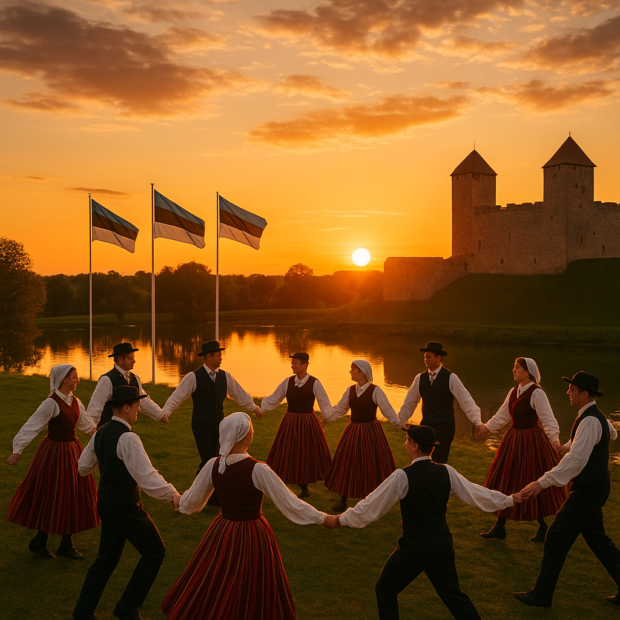
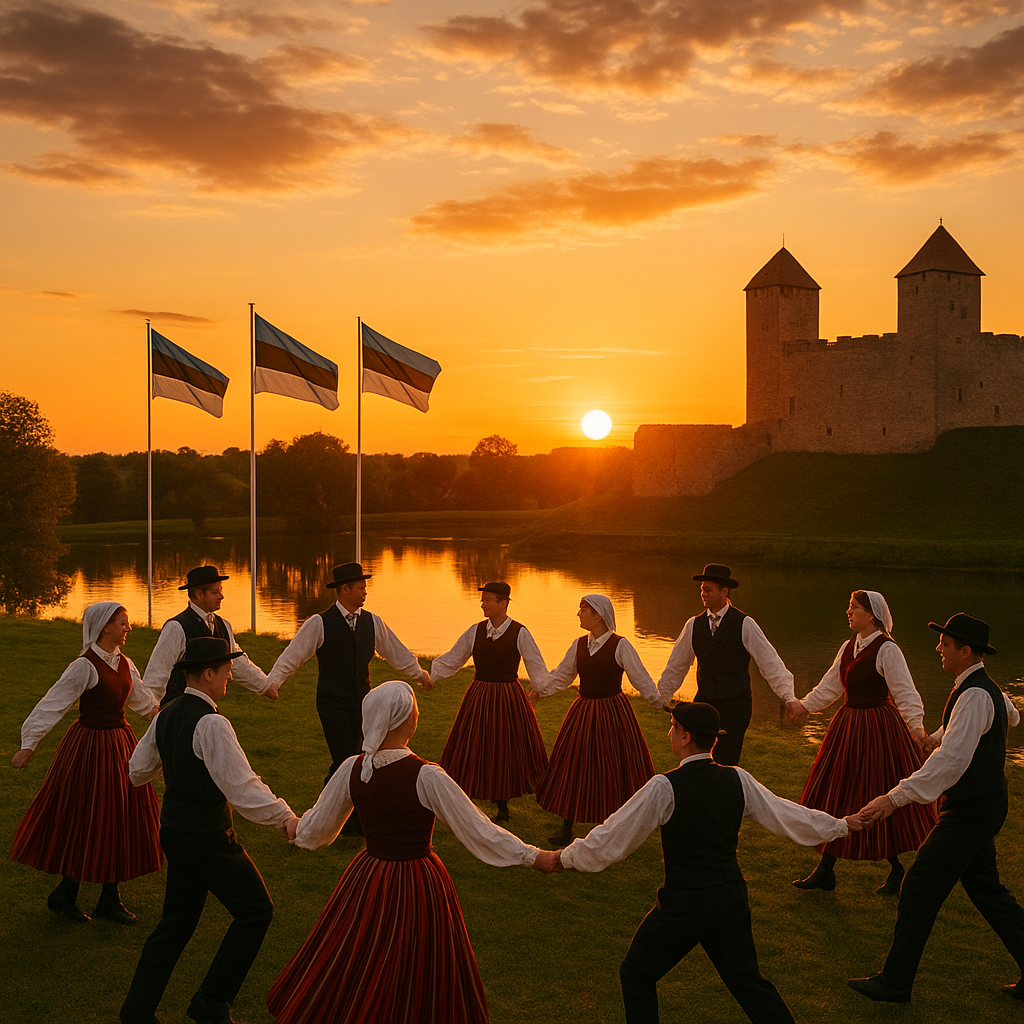
Eesti rahvakultuur on täidetud lugude, laulude ja kommetega, mis seovad põlvkondi ja annavad igale paigale oma näo. Kui soovid sukelduda pärimuse ja folkloori sügavustesse, siis on Viljandi ja Rakvere ideaalsed sihtkohad. Mõlemad linnad on tuntud aktiivse kultuurielu, ajalooliste paikade ja elava rahvapärandi poolest. Kultuuriretked nendesse linnadesse pakuvad unustamatuid hetki ning võimalust kogeda kohalike traditsioonide mõju tänapäeva elule. Lisaks saab nautida mugavat puhkust, sest majutusvõimalused on mitmekülgsed ning sobivad igale maitsele.
Viljandi – Eesti folkloori ja pärimuse häll
Viljandi on rahvakultuuri ja pärimuse süda, kus on igal sammul näha ja kuulda folkloori elavat mõju. Viljandis toimuvad igal suvel kuulsad pärimusmuusika festivalid, mil linna täidavad pillimeeste helid ja rahvariietes tantsijad. Kohalikud käsitööpoed, muuseumid ning hubased kohvikud loovad autentse miljöö, milles on mõnus aeg maha võtta ja inspiratsiooni koguda. Jalutuskäik Viljandi linnamägedel viib ajas tagasi – muistsed varemed ja vaated Viljandi järvele toovad esile Eesti loo rääkijate vaimustuse ajaloost. Kindlasti tasub enne reisile asumist tutvuda kohapealsete sündmustega, et saada osa legendidest, kontsertidest ja õpitubadest. Kultuurielamuste kõrval on oluline valida sobiv majutus Viljandis, et jääda kauemaks ja saada kogeda linna rahulikku atmosfääri.
Rakvere – seiklus ajaloos ja kaasaegses kultuuris
Rakvere on tuntud põneva ajaloo ja erksa kultuurielu poolest, mis põimuvad moodsaid võimalusi ja vanu traditsioone ühendavas võtmes. Rakvere linnuse varemed annavad aimu kunagisest Eestimaa võimsusest ning on kohaks, kus toimuvad arvukad ajaloolised festivalid ja teemapäevad. Rahvakultuur on siin elav – lavale jõuavad folklooriloengud, käsitöölaadad ning etendused, mis annavad aimu Põhja-Eesti omanäolisest pärandist. Kohalikud muuseumid ja kogukonnaalgatused võtavad külalisi vastu avatult, võimaldades omal nahal tunda käsitöö ja muusikapärandi väärtust. Kui plaanid Rakveresse pikemalt jääda, tasub enne broneerida majutus Rakveres, sest linn pakub laia valikut romantilistest hotellidest kuni hubaste külalistemajadeni.
Eesti folkloori ja majutuskohtade põimumine
Viljandi ja Rakvere on linnad, kus folkloor, tänapäev ja külalislahkus kohtuvad. Paljud majutusasutused on ise kujunenud väikesteks kultuurikandjateks – ajaloolised hooned, mille seintel püsivad vanaaja lood, loodud atmosfääri ning mõnikord lausa rahvakultuuri õhtute ja käsitööõpitubade korraldamise kaudu. Sageli leiavad külalised end majutuskohast, millest avanevad vaated linna tähtsaimatele ajaloolistele paikadele. Pärimusmuusika, tantsud ja muistendid on lahutamatu osa paljude majutusettevõtjate identiteedist; just siin saabki tavakülastaja aimu, kuidas pärand elab edasi argielu osana. Tänu Eesti oma majutuskataloogidele, nagu hotellid.ee, on piisavalt võimalusi teha valik just oma huvide ja ootuste järgi, vältides nii ka üleliigset ajakulu sobiva peatuspaiga leidmisel.
Kuidas valida sobiv majutus: praktilised soovitused
Mõlemad linnad pakuvad mitmekesist valikut erineva iseloomu ja asukohaga majutusasutusi – alates stiilsetest hotellidest kuni kodumaiste külalistemajade ja hubaste apartementideni. Valikut tehes pööra tähelepanu sellele, kas soovid viibida tegevustest kesklinnas või pigem vaiksemas piirkonnas. Loe põhjalikult varasemaid külastajate arvamusi ning uuri, kas majutusasutus toetab folklooriteemalisi üritusi või ise korraldab kultuuriõhtuid. Kohalike tagasiside põhjal oskad paremini hinnata teenuse kvaliteeti ning leiad kergemini autentsed elamused. Kui soovid inspiratsiooni, leiad heaks stardipunktiks valiku võimalike ööbimispaikade kohta majutus Viljandis ja majutus Rakveres kaudu.
Majutusasutuste usaldusväärsus, litsentsid ja garantii
Usaldusväärsed majutusasutused omavad sageli ametlikku tegevusluba ning järgivad Eesti teenindus- ja ohutusstandardeid. Enne broneerimist tasub tutvuda, kas majutuskoha kodulehel on välja toodud vajalikud litsentsid või muud tunnustused (nt roheline mõtteviis või turvaline majutusmärk). Küsi vajadusel kinnitust oma broneeringule ning veendu, et saad ametliku kinnituse e-posti teel. Tagatiseks heale külastuskogemusele on ka läbipaistvad reeglid – tühistamistingimused, check-in/check-out ajad ja selge suhtlus. Kui valid majutuse Eesti spetsialiseeritud kataloogi kaudu, on suurem kindlus, et pakkujad järgivad nõutud standardeid, välistades paljud ebameeldivused.
Võrdle pakkumisi ja märka punaseid lippe
Mugava ja soodsa peatuspaiga leidmiseks tasub hoolikalt võrrelda erinevaid pakkumisi. Pane tähele majutusasutuste fotosid, kirjeldusi ning vastavust sinu vajadustele. Väldi pakkumisi, mis tunduvad ebareaalsena või puudub usaldusväärne tagasiside – kontrolli, kas aadress ja kontaktandmed on olemas ning reageeritakse kiiresti suhtlusele. Kui kahtled, loe kogemusi foorumitest või vaata Eesti majutuskataloogi soovitusi. Ainult ametlike kanalite kaudu broneerides väldid kõige sagedasemad ebameeldivused ning võid kindel olla, et broneering on kaitstud ja usaldusväärne. Täiendava kindlustunde annab ka rõhutatud garantii või võimalus enne kohapeal tutvuda teenuste tingimustega.
Kultuurielamusest osa saamine
Kultuurihuvilised saavad Viljandis ning Rakveres osa paljudest üritustest: pärimuspäevad, ekskursioonid kohalike muuseumijuhtide seltsis ja töötubad, kus õpetatakse rahvarõivaste tegemist või rahvalaule. Osa võtmiseks on soovitatav jälgida linna sündmuste kalendreid ning broneerida varakult majutus, et tagada endale parim kogemus. Samuti võib tutvuda arvamustega kohalikest kogemustest, mis aitavad leida peidetud pärleid. Kogukondlikku sidusust kasvatavad rahvapidude korraldajad ja majutusteenuse pakkujad, kellega suhtlus annab veel sügavama ülevaate paiga vaimust. Eesti folkloor pole ainult lugudes, vaid elab edasi kohtumistes, maitstes ja helides, mida saad ise kogeda nende kahe linna rüpes.
Kokkuvõttes on Viljandi ja Rakvere tõelised pärlid kõigile, kes hindavad rahvakultuuri ja soovivad kogeda Eesti pärimuse elujõudu tänapäevas. Tänu hotellid.ee laiale valikule on majutus Viljandis ning majutus Rakveres vaid mõne kliki kaugusel, võimaldades sul keskenduda elamustele ja kultuurile. Planeeri oma järgmine kultuurireis nii, et jätkub aega nii loole kui loodusele – ja lase Eesti pärandil end rikastada.
Regilaul – pärimuse vanim kiht
Regilaul ehk vanem rahvalaul oli Eestis üldlevinud umbes 19. sajandi keskpaigani. Seda iseloomustavad kaheksasilbilised värsiread, algriim ja parallelism. Eesti Rahvaluule Arhiivi regilaulude andmebaas sisaldab 108 969 teksti ehk umbes kaks kolmandikku arhiivi regilauludest ja on kõigile vabalt kasutatav.
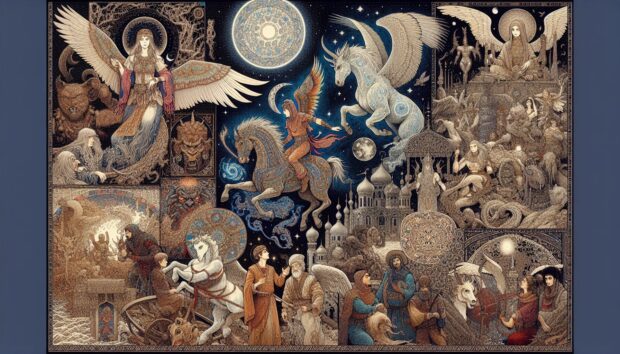
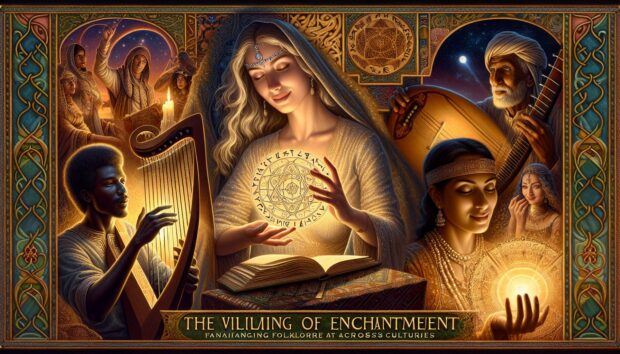
Unveiling the fascinating, mystical, and mysterious world of folklore is like embarking on a timeless journey. Our ancestors were mighty story weavers, and their tales, known as folklore, have ripened with age, echoing through generations.
The captivating realm of folklore varies significantly worldwide, boasting vivid narratives that express regional beliefs, practices, and customs. Let’s delve deeper into several distinct folklore topics.
Celebrating The Cultural Tapestry of Folklore
Folklore envelops varied forms of expressive culture such as tales, music, dances, rituals, practices, and oral histories that were passed down from one generation to the next. This wealth of cultural heritage serves as a time capsule offering a glimpse into societies’ values, traditions, fears, and hopes.
Mythical Beasts and Their Symbolism
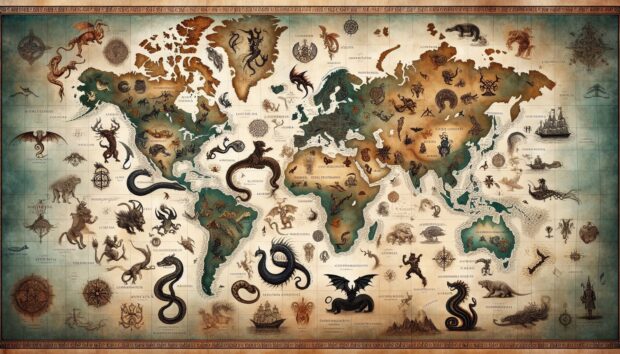
Perhaps some of the most captivating elements of folklore are mythical creatures. From Greek Minotaurs and Chinese Dragons to American folklore’s Sasquatch, these creatures often represent essential regional beliefs and philosophical concepts. For instance, in Chinese culture, dragons symbolize power, strength, and good luck, reflecting the society’s values and aspirations.
Folk Heroes and Their Influence
Many folklore narratives revolve around the exploits of heroic figures that embody their cultures’ values and aspirations. Robin Hood, a hero from English folklore known for “robbing from the rich and giving to the poor,” reflects a society that yearned for justice and equity. Through their heroic acts, folk heroes become emblems of resistance, hope, and change, significantly influencing their cultures.
Magic, Sorcery, and the Supernatural
The use of magic and the supernatural is a common thread in folklore globally. In ‘Cinderella,’ a folk tale with various versions worldwide, magic plays a pivotal role in the narrative, driving the plot towards its ‘happily ever after’ conclusion. Such elements often serve to reflect societal views on fate, destiny, and the struggle between good and evil.
Indigenous Folklore and its Persistence
Preserving and propagating indigenous folklore helps keep ancient traditions alive. These tales, whether Inuit stories of Sedna, the goddess of the sea, or Aboriginal Dreamtime stories from Australia, form the cultural backbone of these societies, shaping their worldview and providing a sense of identity.
Wrapping It Up: The Eternal Echo of Folklore
Folklore serves as a captivating mirror to societies worldwide, reflecting their ethics, ideals, dreams, and fears. Through folk heroes, mythical creatures, narratives of magic, sorcery, and a wealth of indigenous tales, we can appreciate and understand the depth and diversity of cultures.
Even as modernity continues to march on, the enchanting whisper of folklore remains, binding us to our past, informing our present, and potentially guiding our future. So, let’s celebrate the rich and diverse tapestry of folklore, an indelible reflection of who we are and what we value.
Folklore is the tapestry of stories, myths, and legends woven through the fabric of cultures around the world. Deeply rooted in tradition, these narratives have been passed down through generations, often evolving with time, and continue to enchant us with their mystery, morals, and magic. As we embark on this journey of folklore exploration, let’s uncover the rich cultural heritage hidden within these tales.
Introduction
Folklore encapsulates the rich tapestry of human experience, embodying the dreams, fears, and values of societies. From the lochs of Scotland to the forests of the Slavic lands, every culture has spawned its own set of tales, gods, and mythical creatures. These stories not only entertain but also impart wisdom, moral lessons, and cultural truths. Today, we are going to explore a few slices of this mesmerizing world of folklore.
Body
European Folklore: A Cauldron of Fairies and Legends
The lore of Europe is rife with fairies, goblins, and changelings. Irish folklore, in particular, is known for its rich tapestry of fairy tales, with creatures like the mischievous Leprechauns and the mysterious banshee, whose wail is said to foretell a death. The Norse legends of Scandinavia tell of gods and heroes, like Odin and Thor, and their struggles against giants in the quest to maintain cosmic order.
African Folklore: Wisdom Through Fables
Across Africa, folklore provides a lens into the values of its varied cultures. Anansi the Spider from West African Ashanti folklore, is a trickster god who employs his wits to attain wisdom and influence. Through the fables of these characters, African folklore often imparts lessons about intelligence and resourcefulness triumphing over brute strength.
Asian Folklore: Spirits and Morality
Asia’s vast folklore encompasses a spectrum of spirits, demons, and deities. Japanese tales often speak of yokai, spirits with supernatural powers. The folklore of India is adorned with epic tales like the Ramayana and Mahabharata, which explore the complexities of dharma (moral duty) and karma.
American Folklore: Blend of Traditions
American folklore is a melting pot of the traditions that immigrants brought to the New World. Native American stories speak of the spiritual connection between humans and nature. Figures like Paul Bunyan and John Henry emerged in the folklore of the United States, symbolizing the pioneering and industrious spirits of their people.
Summary
From the oral traditions to the written word, folklore continues to play a pivotal role in shaping the cultural identity of societies. These stories, while diverse in character and origin, often share similar themes—good vs evil, wisdom vs folly, and the celebration of the human spirit. As we unveil and appreciate the enchantment within these tales, we not only enjoy the marvels of imagination but also glean insights into the values and ethos of our shared humanity.
Folklore serves as a window into the collective soul of mankind, a testament to our universal quest for meaning and the timeless nature of storytelling. Whether whispered by the fireside or studied in academic halls, these stories will forever remain a beloved part of our world heritage.
Folklore is the whisper of history, echoing through the ages; it is the narrative soul of a culture, steeped in mystery and meaning. From the dark woods of Eastern Europe to the high peaks of the Andes, every corner of our world is alive with stories that have been passed down through generations. These tales are not just for entertainment; they are the threads that weave together the fabric of our collective identity.
Introduction
For centuries, the soft murmur of storytelling has drifted through the atmosphere, capturing the imaginations of young and old alike. Folklore topics are as diverse as the landscapes they emanate from, ranging from mythical creatures and heroic legends to cautionary fables and enchanted folklore. Each tale is a gem, reflecting the values, fears, and dreams of its origin culture.
Body
Let’s embark on a journey to discover some of the most captivating folkloric themes from around the globe.
Creature Folktales
Entwined with the natural world, creature folktales are abundant with beings both fearsome and benevolent. The Loch Ness Monster of Scotland, a mysterious aquatic creature, continues to capture the world’s curiosity, while the jubilant trickster spirit Anansi from West African lore inspires through his cleverness and wit.
Heroic Legends
Heroic legends celebrate the extraordinary feats of individuals who transcend the ordinary. The epic of Gilgamesh, one of the oldest known hero myths from ancient Mesopotamia, still resonates today, as does the story of Mulan, the warrior woman from Chinese folklore whose bravery defied gender norms and expectations.
Cautionary Tales
Folklore also serves to teach moral lessons and instill societal values. The Brothers Grimm fairy tales, often imbued with dark elements and dire consequences, warn listeners of the perils of disobedience, arrogance, and greed, reminding us of the timeless nature of these universal themes.
Enchanted Folklore
Enchanted folklore weaves tales of magic and whimsy, where objects are imbued with extraordinary powers and the world is a playground of the fantastical. Consider the legend of the Philosopher’s Stone in alchemical tradition, a substance said to grant immortality, or the countless stories about Djinn, magical creatures of Arab lore known for their power to grant wishes.
Summary
As we delve into the rich tapestry of folklore, we explore not only the vast expanse of human imagination but also the common threads that unite us all. Folklore topics provide us with a glimpse into the age-old questions and narratives that have shaped cultures around the world. They remind us that, despite our differences, the human spirit is universally drawn to tales of mystery, bravery, morality, and enchantment. The next time you encounter a folktale, remember that you are observing a piece of history, a fragment of cultural DNA, and a timeless piece of wisdom, lovingly carried through the ages.
DOI: https://doi.org/10.2478/jef-2018-0014 Traditionally, the curator’s work has been in close connection with the main functions of the museum – preservation, research, and communication. The changes that have occurred at museums over the past few decades have also influenced the profession of curator. Specialisation has taken place inside the museum, and so the curator’s functions have also changed. This article focuses on the curator’s field of work at national museums in Finland and in the Baltic states. The analysis is mainly based on interviews conducted with curators and other museum professionals at the Estonian National Museum, the Estonian History Museum, the National History Museum of Latvia, the National Museum of Lithuania, and the National Museum of Finland. Emanating from the PRC model provided by the Reinwardt Academy as well as the global changes induced by the new museology, the focus is on the curator’s connection with museum collections. The analysis shows that the curator’s role is not similar in all the museums under discussion; there are regional differences in structure, curatorial duties, and priorities. While at some museums the curator is regarded as a collection keeper who can also do some research, at others they are rather researchers and have only infrequent contact with collections.
This work is licensed under a Creative Commons Attribution-NonCommercial-NoDerivatives 4.0 International License.
Under the Creative Commons Attribution-NonCommercial-NoDerivs license, the author(s) and users are free to share (copy, distribute and transmit the contribution) under the following conditions: 1. they must attribute the contribution in the manner specified by the author or licensor, 2. they may not use this contribution for commercial purposes, 3. they may not alter, transform, or build upon this work.
Authors retain the following rights:
– copyright, and other proprietary rights relating to the article, such as patent rights,
– the right to use the substance of the article in future own works, including lectures and books,
– the right to reproduce the article for own purposes, provided the copies are not offered for sale,
This article discusses recent developments in the home-based lifestyle business featuring the example of two cases: Tammuri farm restaurant near Otepää in South Estonia, and home restaurant MerMer in Kolga-Aabla in North Estonia. We study the restaurants from a Goffmanian performance perspective, focusing on the lifestyle entrepreneur’s viewpoint of creating a restaurant experience in their homes. Accordingly, the home and its surroundings are considered a setting in which food has an important role as a performance medium and multiple roles are enacted by a single entrepreneur as a performer. Freshness, quality and locality of food, homeliness and personalised service are used for creating a special home restaurant meal experience. The two cases also shed light on the dynamics of the concepts of home and lifestyle entrepreneurship in contemporary Estonia, challenging the understanding of restaurant cuisine and home cooking as oppositional practices of food preparation and consumption.
This work is licensed under a Creative Commons Attribution-NonCommercial-NoDerivatives 4.0 International License.
Under the Creative Commons Attribution-NonCommercial-NoDerivs license, the author(s) and users are free to share (copy, distribute and transmit the contribution) under the following conditions: 1. they must attribute the contribution in the manner specified by the author or licensor, 2. they may not use this contribution for commercial purposes, 3. they may not alter, transform, or build upon this work.
Authors retain the following rights:
– copyright, and other proprietary rights relating to the article, such as patent rights,
– the right to use the substance of the article in future own works, including lectures and books,
– the right to reproduce the article for own purposes, provided the copies are not offered for sale,
The article presents a study of the use of family humour in public comedy and the mutual influence of family humour and public humour on comedians’ performances and everyday life. The interrelations between these domains lie at the level of the content of humour, its format, its performance and the interaction between humour producers and their audience. Family and public humour often overlap and interweave in various ways, especially in the experience of those who engage in humour production both in public and in private spheres. The study is informed by interviews with UK-based comedians on their family humorous folklore and its interrelation with their public humour performances. The interconnection between public and family humour was identified on several levels: textual, communicative, personal and conceptual.
This multidimensional interplay indicates that family humour is contingent on the context, but at the same time is often conditioned by comedians’ public personae and cannot be fully separated from the humour they perform publicly. The study illustrates the vagueness of the dichotomy between public comic performances and family humour and points to multiple ways in which the boundaries between these domains can become blurry.
Under the Creative Commons Attribution-NonCommercial-NoDerivs license, the author(s) and users are free to share (copy, distribute and transmit the contribution) under the following conditions: 1. they must attribute the contribution in the manner specified by the author or licensor, 2. they may not use this contribution for commercial purposes, 3. they may not alter, transform, or build upon this work.
Authors retain the following rights:
– copyright, and other proprietary rights relating to the article, such as patent rights,
– the right to use the substance of the article in future own works, including lectures and books,
– the right to reproduce the article for own purposes, provided the copies are not offered for sale,
This article offers a folkloristic analysis of telling personal experience stories in the Estonian Midwives Association’s Family School discussion forum (www.perekool.ee), focusing on the Conception, Pregnancy and Childbirth sub-forums. In the article women’s My Stories about their journey to motherhood are under discussion. The central question is how the practice of telling these stories is shaped and affected by the peculiarities of the online community, its communication space, traditions, and daily operation. The article seeks to answer this question in relation to the following topics: accepted and non-accepted topics and experiences; the message of the stories; the structure of the stories; vocabulary competence; and the style of storytelling. From the theoretical perspective, the focus is on participatory storytelling, that is, on the interplay of the specific online environment, narrator, story, and group, as well as the process by which the teller and the audience co-create the stories.
Under the Creative Commons Attribution-NonCommercial-NoDerivs license, the author(s) and users are free to share (copy, distribute and transmit the contribution) under the following conditions: 1. they must attribute the contribution in the manner specified by the author or licensor, 2. they may not use this contribution for commercial purposes, 3. they may not alter, transform, or build upon this work.
Authors retain the following rights:
– copyright, and other proprietary rights relating to the article, such as patent rights,
– the right to use the substance of the article in future own works, including lectures and books,
– the right to reproduce the article for own purposes, provided the copies are not offered for sale,